


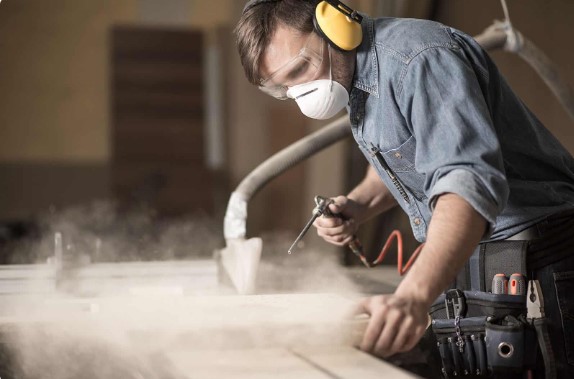
Automotive workshops are busy, productive places — and dusty ones. Sanding bodywork, grinding metal, cutting brake components and sweeping floors all release fine particles into the air technicians breathe all day. This dust is easy to overlook because much of it is invisible, but managing it is vital for the health of your team and the smooth running of your shop.
Where Workshop Dust Comes From
A typical garage generates particulate matter from a surprising number of routine jobs.
● Sanding and prepping bodywork before paint
● Grinding, cutting and welding metal parts
● Brake and clutch servicing releasing fine dust
● Sweeping and compressed-air cleaning stirring up settled particles
The Health Stakes Are Real
The finest particles, including PM 2.5, are small enough to reach deep into the lungs. Fine particles like PM2.5 are recognised as posing the greatest health risk because they reach deep into the lungs. Some workshop dust, like that from older brake materials or certain composites, carries extra hazards, making air quality something no garage should ignore. A dust monitor reveals exactly how much is in the air.
Controlling Dust at the Source
The best results come from tackling dust where it’s created: extraction at sanding and grinding stations, proper ventilation, wet methods where suitable, and avoiding dry sweeping in favour of vacuum systems. Workplace guidance such as the NIOSH safe work practices for silica dust sets clear expectations for keeping exposure low.
Monitoring for Peace of Mind
Controls only work if you can confirm they’re working. Installing a real time dust monitor lets workshop owners track particle levels continuously and act the moment they rise — protecting technicians and demonstrating a genuine commitment to a safe workplace.
Frequently Asked Questions
Is dust in a car workshop really dangerous?
Yes. Sanding, grinding and brake work produce fine particles, including PM2.5, that can reach deep into the lungs, and some workshop dust carries additional health hazards.
How can garages reduce airborne dust?
By extracting dust at the source, ventilating well, using wet methods where possible, and replacing dry sweeping with vacuum systems — then monitoring to confirm it’s effective.
Why use a real-time dust monitor in a workshop?
It continuously tracks particle levels so owners can respond immediately when dust rises, protecting technicians and supporting a safe, compliant workplace.
