


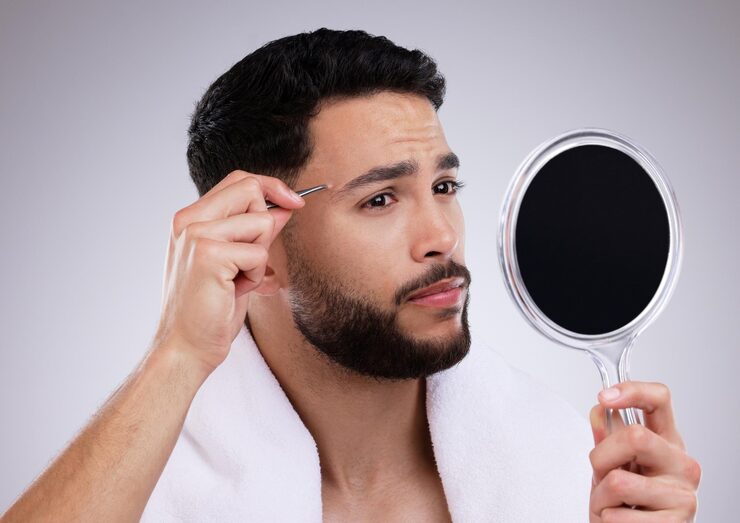
Hair loss can be a frustrating experience, and traditional donor sites, like the back or sides of the scalp, sometimes don’t provide enough viable follicles for a full hair restoration. In such cases, patients considering hair transplant in Dubai may explore beard-to-scalp transplants, a technique that uses robust facial hair to supplement or replace scalp hair. Understanding who qualifies as a good candidate ensures safe surgery, natural-looking results, and long-lasting success.
Beard hair differs from scalp hair in thickness, texture, and growth pattern, making careful patient selection critical to achieving a harmonious and natural hairline.
What Is a Beard-to-Scalp Hair Transplant?
A beard-to-scalp transplant involves harvesting healthy hair follicles from areas of the beard (cheeks, jawline, or neck) and transplanting them to areas of the scalp affected by hair loss.
Key features of this procedure include:
- Alternative Donor Source: Ideal for patients with insufficient scalp donor hair.
- Thicker Follicles: Beard hair is often coarser and stronger than scalp hair, making it excellent for restoring density in areas with significant thinning.
- Versatility: Can be combined with traditional scalp hair transplants for comprehensive coverage.
This method has gained popularity among patients with advanced hair loss, those needing dense coverage, or those with scarring alopecia where scalp donor areas are limited.
Who Is a Good Candidate?
Not everyone is suitable for a beard-to-scalp transplant. Ideal candidates generally have the following characteristics:
- Insufficient Scalp Donor Hair
Patients with advanced male pattern baldness may not have enough healthy follicles on the back or sides of the scalp. Beard hair can supplement donor supply, providing enough grafts to achieve natural results. - Healthy Beard Hair Growth
Candidates should have thick, robust beard hair. Sparse, patchy, or thin facial hair may not yield sufficient or suitable grafts. - Overall Health
Patients should be in good general health, free from conditions that affect healing or hair growth, such as uncontrolled diabetes or autoimmune disorders. - Realistic Expectations
Beard hair differs from scalp hair in texture and growth rate. Candidates should understand that while beard hair enhances density, it may feel coarser and grow differently than natural scalp hair. - Previous Scalp Transplants
Patients who have had multiple scalp transplants may use beard hair to address areas where scalp donor supply is exhausted, ensuring a fuller and more natural appearance.
Benefits of Beard-to-Scalp Transplants
- Increased Donor Supply: Provides additional grafts when scalp donor hair is limited.
- Durable Hair Growth: Beard follicles are strong and resilient, often producing long-lasting results.
- Enhanced Density: Particularly useful for creating a natural-looking hairline or filling in large bald areas.
- Minimal Scarring: Modern extraction techniques, such as FUE, allow for discreet harvesting from the beard area.
This approach has become an essential tool for advanced hair restoration, allowing surgeons to achieve results that were previously difficult or impossible.
Considerations and Limitations
While effective, beard-to-scalp transplants have specific considerations:
- Texture Differences: Beard hair is typically thicker than scalp hair, which can result in a slightly different appearance. Surgeons often blend beard and scalp hair to achieve a uniform look.
- Donor Area Healing: Extraction sites in the beard area may take a few days to heal and require proper post-operative care.
- Growth Rate Variations: Beard hair may grow faster or slower than scalp hair initially; periodic trimming may be necessary for uniformity.
- Surgeon Expertise: Proper planning and graft placement are critical to ensure a natural, seamless result. Only experienced, board-certified surgeons should perform this procedure.
Consultation Is Key
Patients considering a hair transplant in Dubai using beard hair should undergo a detailed consultation. During this assessment, the surgeon evaluates:
- Scalp and beard hair quality, density, and texture
- Extent of hair loss and scalp coverage needs
- Overall health and suitability for surgery
- Goals and realistic expectations
This ensures that the procedure is safe, effective, and tailored to the individual’s needs.
Conclusion
A beard-to-scalp transplant is a highly effective solution for patients with limited scalp donor hair, advanced hair loss, or previous hair transplants requiring additional grafts. Ideal candidates have healthy, thick beard hair, are in good health, and understand the differences between beard and scalp hair.
For patients considering hair transplant in Dubai, consulting a board-certified, experienced surgeon is essential. Proper evaluation, planning, and surgical technique ensure natural-looking results, enhanced density, and long-lasting hair restoration. Beard-to-scalp transplants offer patients a safe, innovative way to restore confidence and achieve a full, natural hairline.
